Xanax Addiction Rehabilitation

Xanax addiction is a growing concern as the medication is widely prescribed for anxiety and panic disorders. Although effective when used properly, misuse can lead to dependence, withdrawal symptoms, and difficulty functioning without the drug. Because Xanax affects the central nervous system, rehabilitation typically requires medical supervision and psychological support to safely manage withdrawal and … Read more

Pornography Addiction Recovery

Pornography addiction prevention centers on understanding the potential risks of excessive exposure to explicit online material. With the growing availability of internet access, it is important for individuals to practice responsible and balanced digital habits that support their mental and emotional health. Prevention strategies highlight the value of education, open discussions about online behavior, and … Read more

Challenges in Gambling Treatment

Behavioral gambling disorder is a growing public health concern that can significantly affect an individual’s financial stability, mental health, and personal relationships. Unlike substance-related addictions, gambling addiction is a behavioral condition, which can make it more difficult for individuals to recognize when their gambling has become problematic. As a result, many people delay seeking help … Read more

Addiction Treatment Funding Cuts

Addiction recovery services provide essential support for individuals seeking treatment for substance use disorders. These services often include counseling, medical treatment, peer support programs, and community-based recovery resources. However, government funding cuts can significantly reduce the availability of these services, creating barriers for individuals who rely on publicly funded programs. When treatment centers experience reduced … Read more

Humanizing Addiction Recovery

Addiction recovery is often misunderstood and stigmatized. Many people with substance use disorders are defined only by their addiction, overlooking their strengths and potential for change. Humanizing recovery shifts the focus from blame to empathy and understanding. By recognizing addiction as a complex health condition influenced by biological, psychological, and social factors, society can view … Read more

Smoking and Colon Polyps

Smoking affects more than the lungs and can lead to colon polyps. Although many polyps are noncancerous, some can develop into colorectal cancer. Because polyps often have no early symptoms, quitting smoking and regular screenings are important for prevention. The Hidden Danger of Smoking and Colon Polyps How Tobacco Use Quietly Increases Colorectal Cancer Risk … Read more

Recovery with a Sense of Humor

AA Rule 62 — “Don’t take yourself too damn seriously” — is an informal yet enduring principle within Alcoholics Anonymous. Though not part of the official Twelve Steps or Twelve Traditions, it reflects a core recovery value: humility. Originally coined to ease tension during early group conflicts, Rule 62 reminds members that ego, pride, and … Read more

Technology Use and Mental Health

Technology plays a central role in modern life, shaping how people communicate, work, learn, and relax. While smartphones, social media, and digital platforms provide connection and convenience, excessive or unstructured use can contribute to anxiety, depression, sleep disruption, and attention difficulties. Understanding technology’s impact on mental health requires a balanced view that recognizes both its … Read more

The Rise of Gaming Disorder

The rise of Gaming Disorder reflects the rapid transformation of digital entertainment in the 21st century. What was once a casual recreational activity has evolved into an immersive, socially integrated, and highly engineered experience designed to maximize engagement. With advanced reward systems, online multiplayer platforms, and constant accessibility through mobile devices, gaming now occupies a … Read more

Food & Shopping Addiction

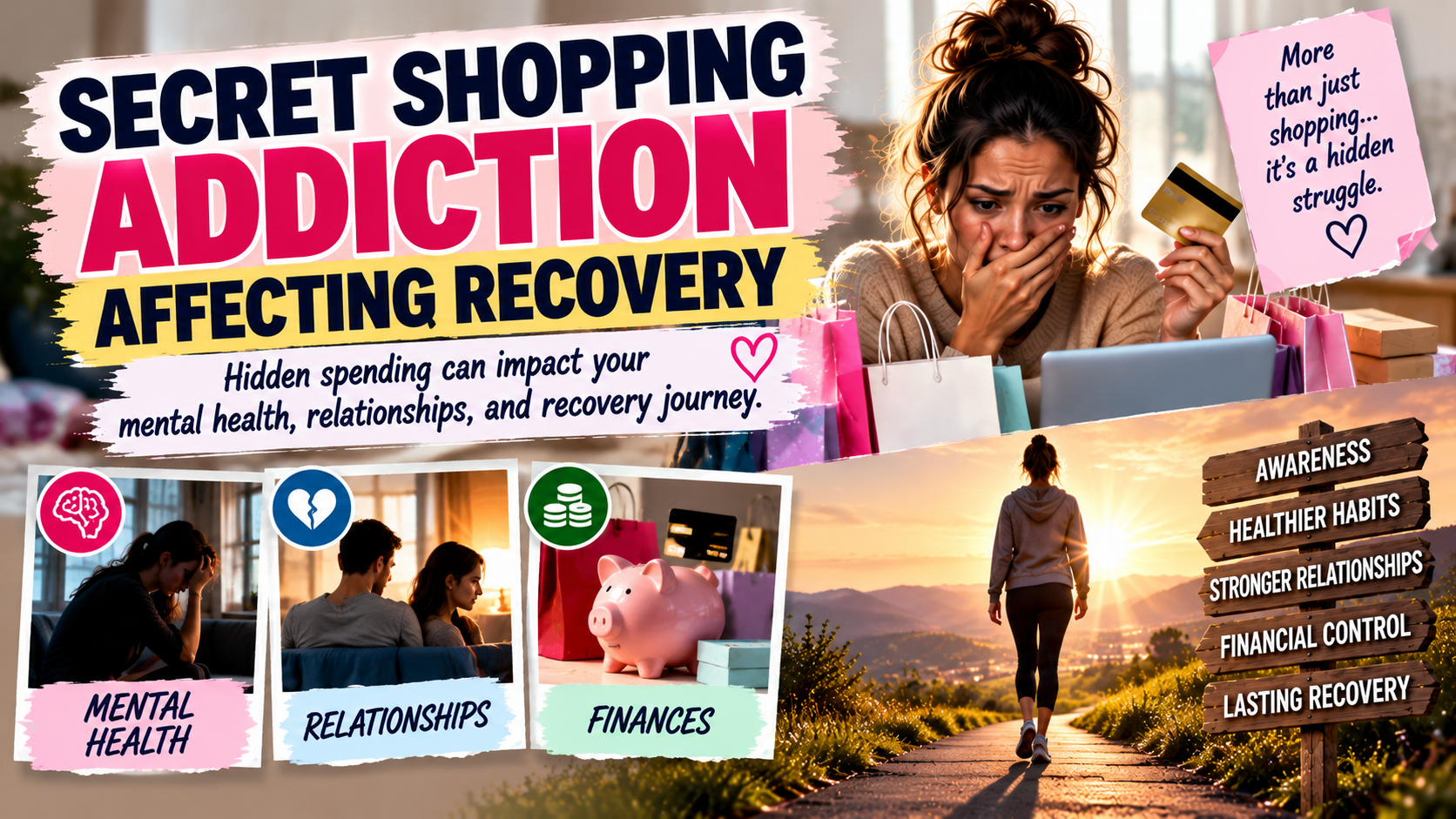
Understanding food and shopping addiction requires looking beyond behavior to the psychological, neurological, and social factors driving compulsion. While eating and purchasing are normal activities, they can become unhealthy coping strategies for stress, trauma, or low self-worth. Both activate the brain’s reward system, reinforcing cycles of craving and temporary relief followed by guilt. Over time, … Read more